
When I was in Ipoh Old Town of Malaysia in 2015, it was such a quiet spot that travellers would call it a laid-back town with few traditional coffee shops, local food, white coffee and flourishing street arts. Not much was heard about three Concubine Lanes — Ipoh old town is not very big so any attractions in it could not be missed, especially three lanes.
In July 2016, Lonely Planet listed Ipoh as one of the “best” Asian destinations to visit. Photos of the Concubine Lanes started appearing in news articles. The lanes were brought into the limelight.
I read about the Concubine Lanes from online articles and thought how Ipoh must have undergone a drastic change in about a year (from my last visit) to become the next Armenian Street in Georgetown, Penang. Had the old charm of Ipoh Old Town became a thing of the past? Was it as touristy as the old towns in Malacca and Georgetown? I would see it for myself.
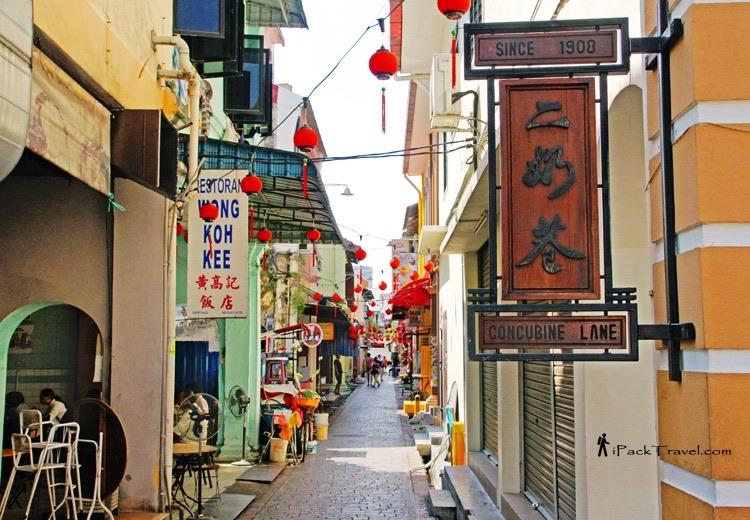
Back to Ipoh in July 2017, I was relieved to see that the charming old town was still pretty much intact. Yes, there were changes but on smaller scales — these were ongoing efforts to preserve the old town and to revive its old-day charms to attract visitors. Was it touristy? Not really, old towns required people to stay lively or they would soon be forgotten. So long as developments were reasonable and relevant, it would be healthy for preserving the old town and encouraging tourism.
Why “Concubine” Lanes?
According to a signboard along Market Lane, after a fire destroyed the old town in 1892, the town was rebuilt with lanes of shops (opium dens, casinos and brothels). A mining tycoon, Yao Tet Shin, gave three lanes to his three wives as gifts — each of his wives would collect rents from the shops in her own lane. After World War II, the lane became home to many rich miners’ concubines.
The three Concubine Lanes are:
1. Wife Lane (大奶巷)
— Today’s Lorong Hale
2. Concubine Lane (二奶巷)
— Today’s Lorong Panglima
3. Second Concubine Lane (三奶巷)
— Today’s Market Lane
Prior to 2016, the lanes were identified mainly by their official names in Malay which is why the “Three Concubine Lanes” was never heard of back then. Today, respective Chinese names were put up along each lane.
Note that if you try to translate directly from the Chinese names, you may be confused by the numbers. First, there is the “wife (大奶)”, the second wife is called “concubine (二奶)” and third wife is the “second concubine (三奶)”. On one signboard along Second Concubine Lane, the Chinese name was translated directly as “3rd Concubine Lane” — although easier to understand, it conflicts with official naming.
Wife Lane (Lorong Hale)
Logically, I would expect the Wife Lane to be the grandest, longest or had more “shops” but it turned out to be the shortest and most desolated in 2017. On the other side of Jalan Bandar Timah, the lane extended through a narrow back alley without much points of interests. Maybe this was not the lane it used to be when it was rebuilt in 1894.
In 2017, the only thing of interest along the lane was the mural of a fruit seller under a big umbrella — and it was already fading. A couple of artworks — a mural with different fruits on one tree and an artwork with a real-life motorcycle — were subsequently added along the narrower side of the back alley.
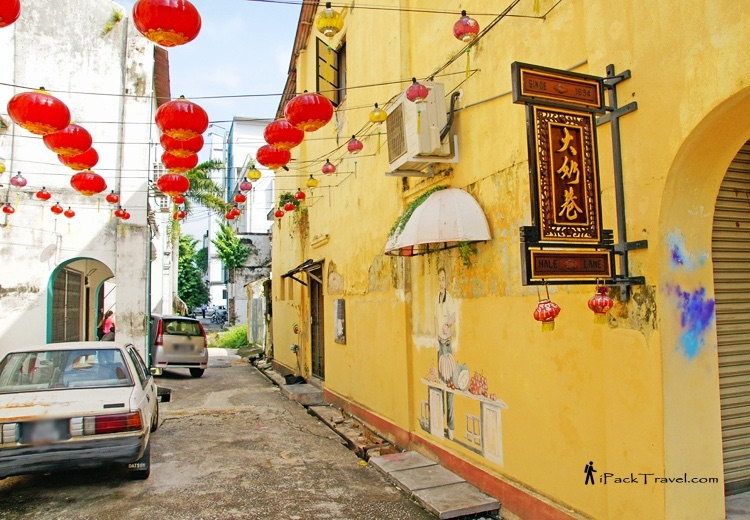
In March 2026, the wider part of the Wife Lane had developed to having a cafe and couple of shops — and a new one would be opening for business soon.
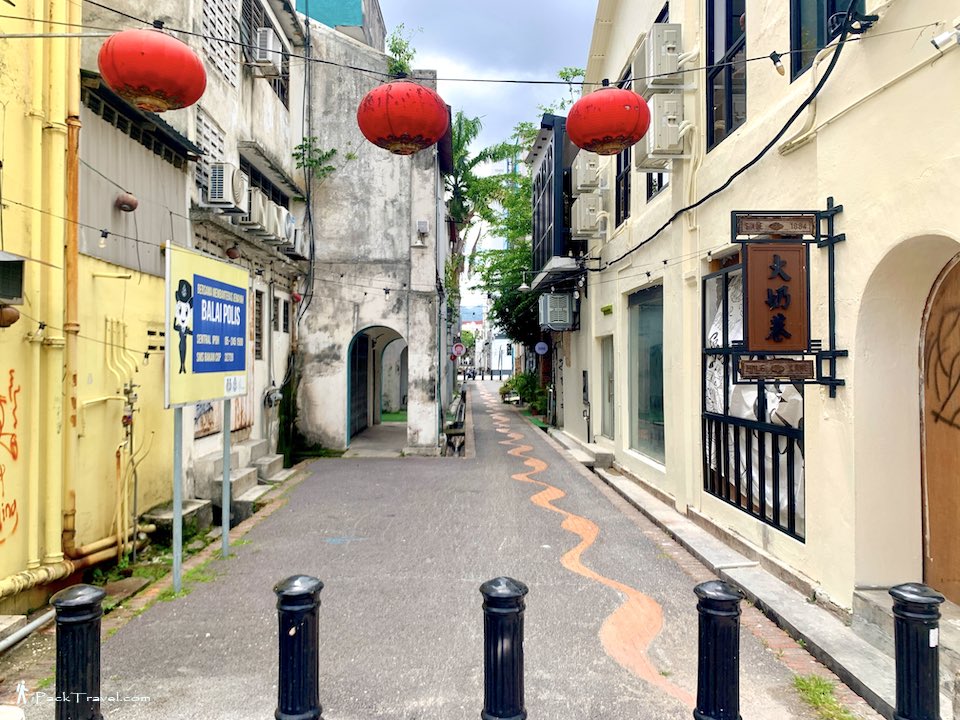
Concubine Lane (Lorong Panglima)
The 100-metre Concubine Lane was the busiest among the three lanes with stalls, shops, a restaurant and cafes. Aside from Restoran Wong Koh Kee (黄高记饭店), a Cantonese zi-char restaurant established since 1935, most or all of the other shops were new — although they may be housed in over-100-year-old houses. Some of the “shops” were actually the back entrance of shops facing Jalan Panglima.
In 2017, the old houses were restored to what they used to look like in the old days — probably. However, about one-third of the units were unused / still under renovation — the lane was not fully developed yet. There was a rustic feel to it.
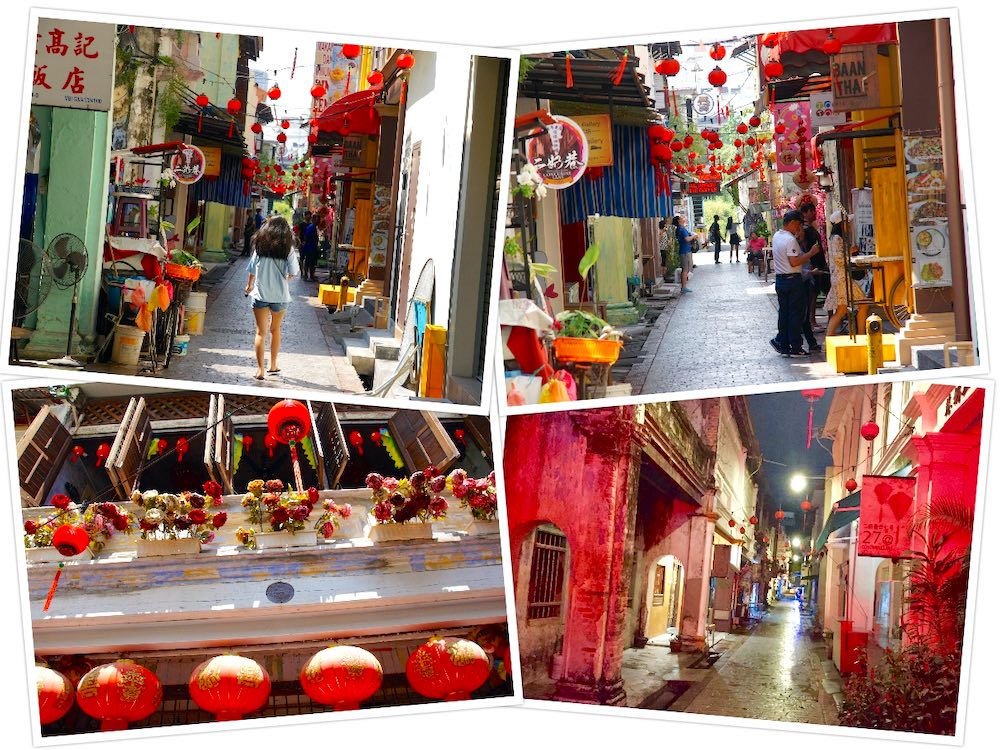
In March 2026, Concubine Lane had fully developed into a shopping lane with many stalls, shops and cafes but most eateries were relocated outside the lane. Modern shops sat amidst old houses giving the historical lane a mixed feel. It was still the hottest lane in the old town.
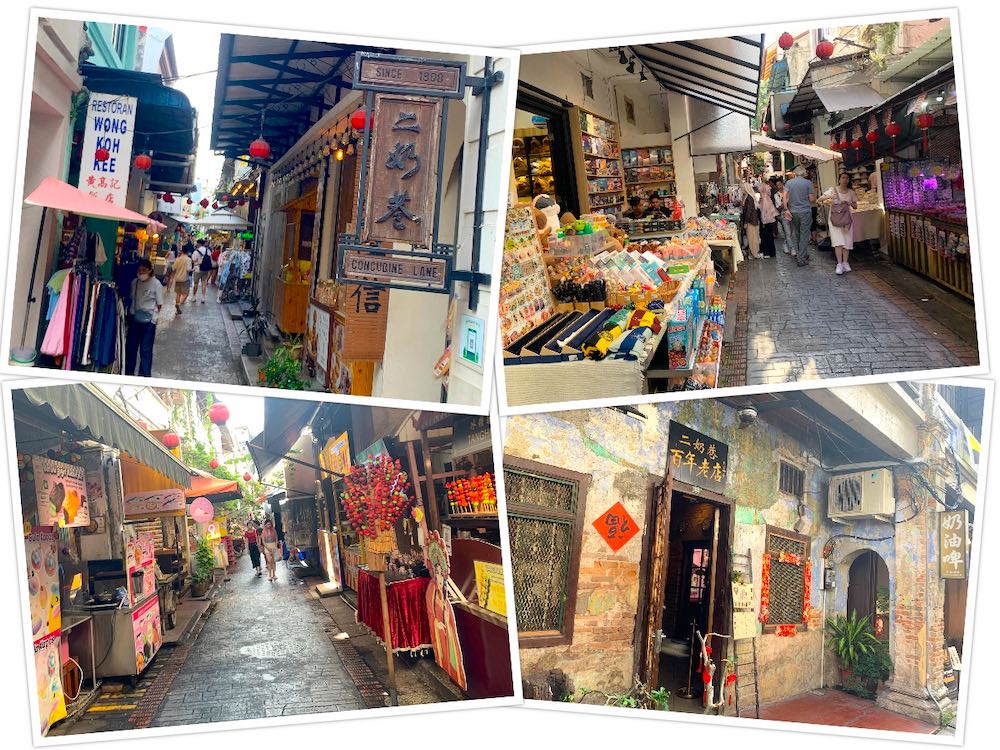
Note: Concubine Lane is usually less crowded on weekdays — as usual. Some stalls / shops will also have their off-days on certain weekdays. On weekends and public holidays, all shops would be opened but the lane will also be full of people. The shops will usually close for the day by 6:30pm and the lane will become very quiet by nightfall.
Second Concubine Lane (Market Lane)
While Wife Lane was more an alley and Concubine Lane a pedestrian walkway, the Second Concubine Lane, or Market Lane (shorter), was wide enough to allow cars to drive through. Unlike the popular Concubine Lane, Market Lane did not have as many shops / stalls and was quieter. Over the last 10 years, shops had been popping up at a much slower rate — as commercial took over residential / abandoned. The lane was always colourfully decorated and featured a number of beautiful murals.
In 2017, there were no shops for tourists along the Market Lane. Nam Chau Coffee Shop, which served curry noodle dishes and others, sat at one end of the lane. Red and white umbrellas hovering overhead were unique to this lane only.
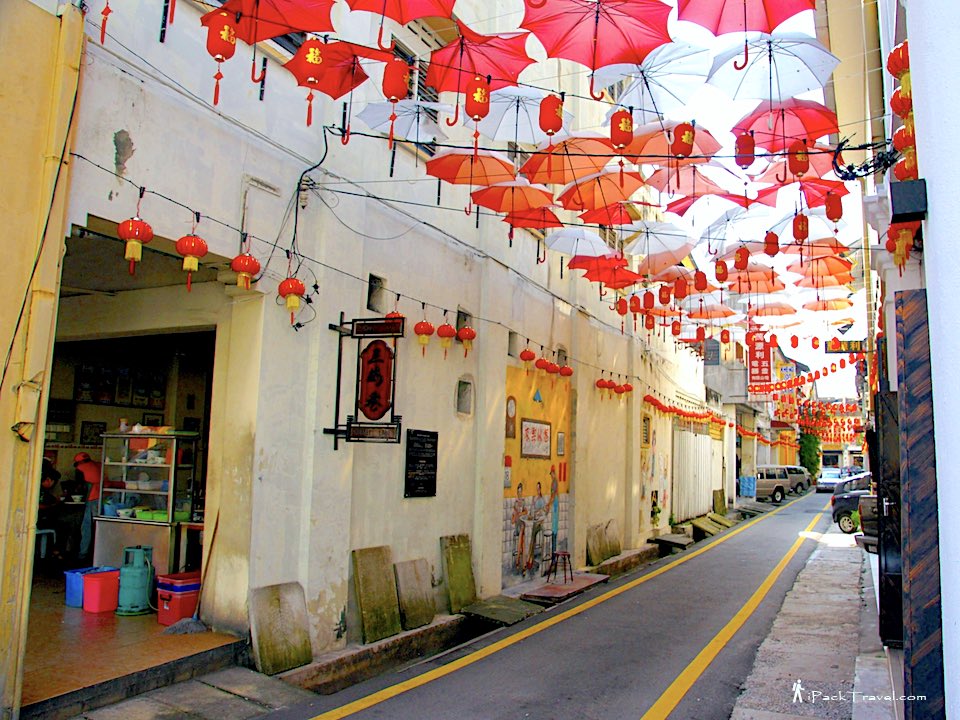
The lane had few murals then. The first mural depicted scene in a coffee shop, painted on the wall outside Nam Chau Coffee Shop. The second one had kids jumping with joy — this was the hottest jumping spot during weekends. The last mural, located at the other end of the lane, was a 3D artwork, created by Ernest Zacharevic, with half a real-life tricycle as part of the artwork — one of the 7-piece “Art of OldTown” murals.
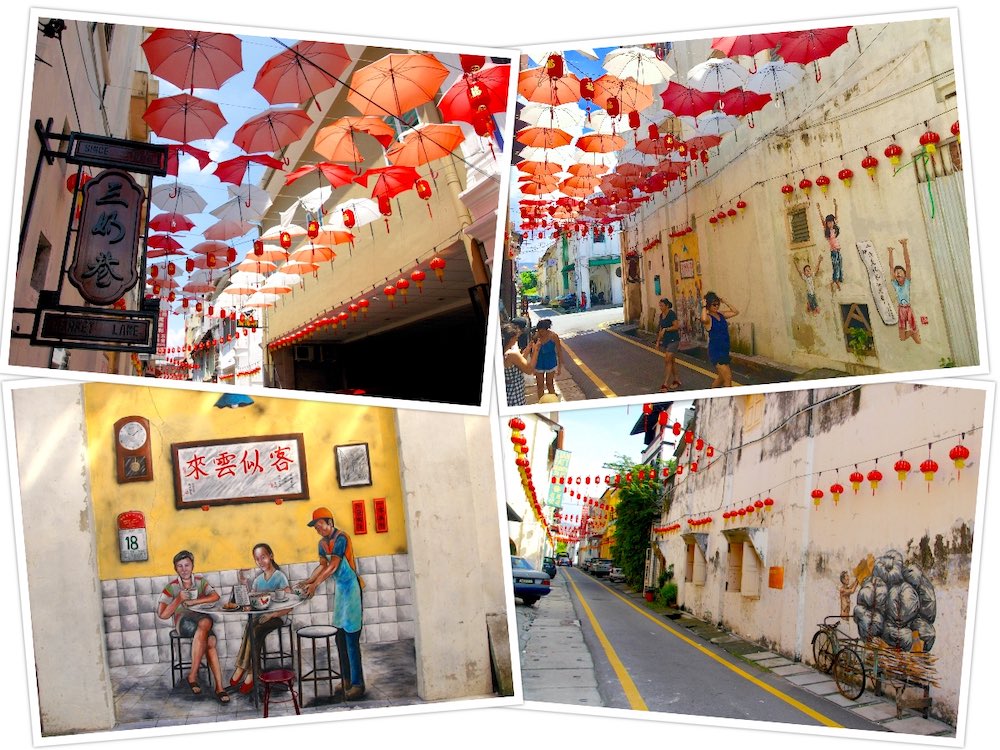
In March 2026, Market Lane had been improved greatly with new pavement and covered drains. More shops and couple of eating places had opened up along the lane, some even operated into the night. Nam Chau Coffee Shop had also renovated and renamed as Nam Chau Kopitiam (南洲茶铺). The lane added several beautiful murals and still as colourfully decorated as ever.
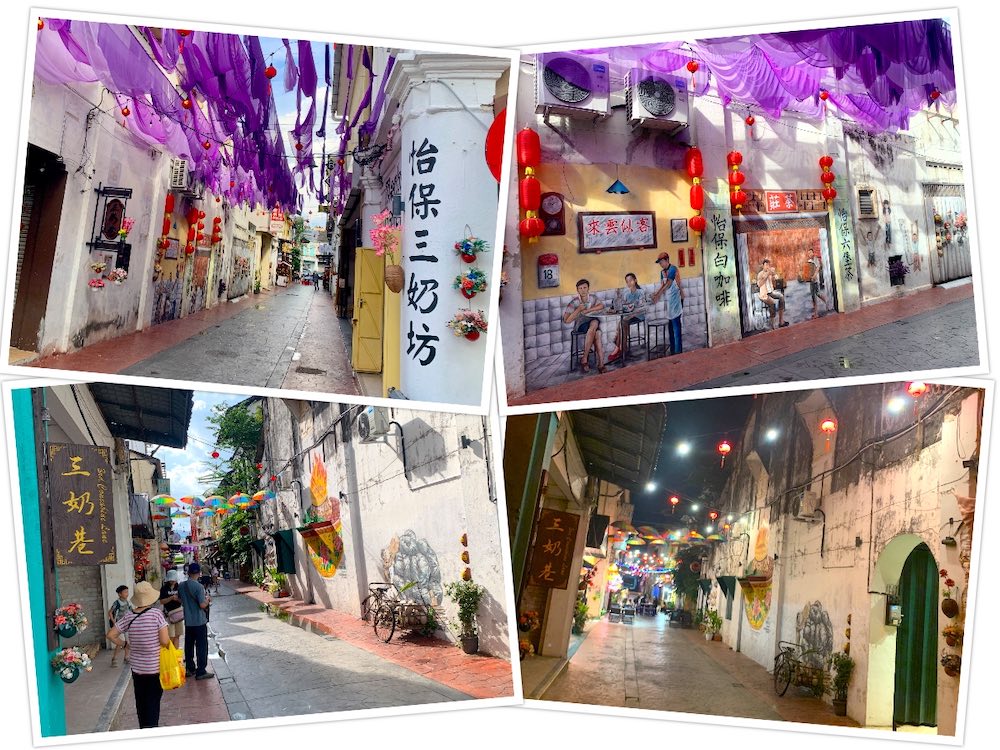
And so, I had covered the three Concubine Lanes — over almost 10 years!
The three lanes were restored for their heritage values and to attract visitors to the old town. Development had so far been slow and on smaller scales and had not diminished the old town’s charms. However, as time passed, deteriorating old residential houses would be replaced with modern commercial shops and the old town would eventually lose its rusticity and became a modernised “old town”.
Locations
Find the location of the three lanes within Ipoh Old Town in the map below. I have also included hotels, eating places and points of interests that I have visited over the years from 2015 to 2026.
Nearby:





Leave a Reply